Unlocking Consumer Insights: Data Solutions for the Consumer Goods Industry


Understanding Consumer Behavior
In the fast-paced world of consumer goods, understanding consumer behavior is crucial for businesses aiming to stay ahead of the competition. The key to unlocking these insights lies in effectively utilizing data solutions. By leveraging data, companies can gain a deeper understanding of their customers' preferences, purchasing habits, and motivations. This knowledge allows businesses to tailor their strategies and offerings to meet consumer needs more effectively.
With the advent of advanced analytics tools and technologies, the ability to gather and interpret consumer data has become more accessible than ever. Companies that invest in these data solutions can uncover valuable insights that drive growth and innovation. From identifying emerging trends to predicting future demands, data-driven insights are transforming the way businesses operate in the consumer goods industry.

Data Collection Techniques
Collecting data is the first step towards unlocking consumer insights. There are various methods businesses can employ to gather relevant information about their customers. Some popular data collection techniques include:
- Surveys and Questionnaires: These tools allow companies to directly ask consumers about their preferences and experiences.
- Social Media Analytics: Monitoring social media platforms provides insights into consumer sentiment and trends.
- Sales Data: Analyzing purchase histories and transaction data helps identify buying patterns.
By combining these techniques, businesses can create a comprehensive view of their target audience, leading to more informed decision-making.
Analyzing Consumer Data
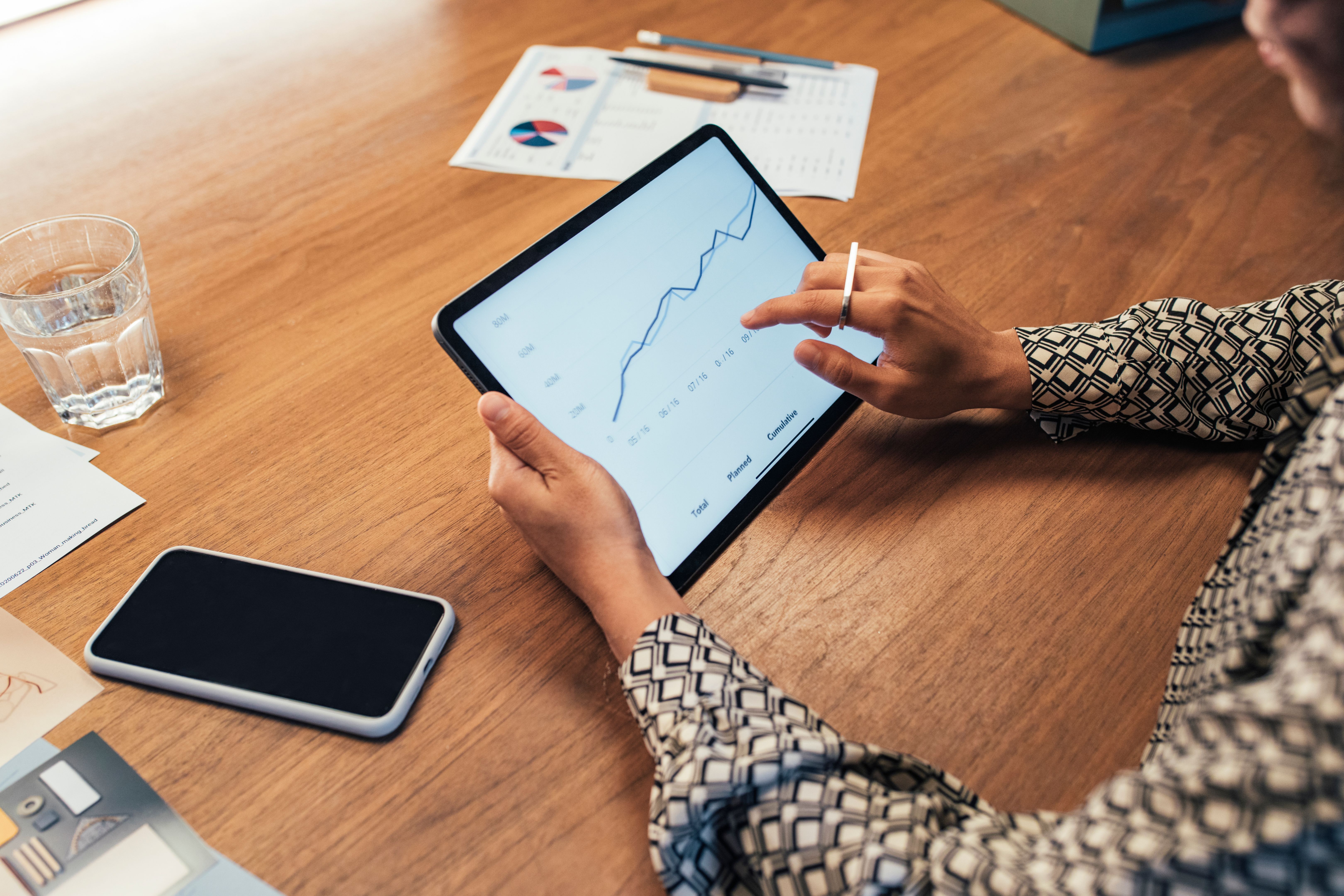
Once data is collected, the next step is analyzing it to extract meaningful insights. Advanced analytics tools, powered by artificial intelligence and machine learning, play a pivotal role in this process. These tools can process vast amounts of data, identifying patterns and correlations that may not be immediately apparent.
For instance, predictive analytics can forecast future consumer behaviors based on historical data. This capability is invaluable for businesses looking to anticipate market shifts and adjust their strategies accordingly. Furthermore, sentiment analysis can gauge consumer emotions, helping brands refine their messaging and communication strategies.

Implementing Data-Driven Strategies
With insights in hand, the next challenge is implementing data-driven strategies across the organization. This involves aligning marketing, sales, and product development efforts with the insights gained from data analysis. For example, if data suggests a growing demand for eco-friendly products, companies can prioritize sustainable offerings in their product lines.
Moreover, dynamic pricing strategies can be employed to adjust prices in real-time based on consumer demand and market conditions. Personalization is another area where data-driven insights are invaluable. By tailoring marketing messages and product recommendations to individual consumer preferences, businesses can enhance customer satisfaction and loyalty.
Overcoming Challenges
Despite the benefits, implementing data solutions in the consumer goods industry is not without challenges. Data privacy concerns and regulatory compliance are significant issues that companies must navigate. Ensuring robust data protection measures and transparent data practices is essential to maintain consumer trust.
Additionally, integrating data solutions into existing systems can be complex and resource-intensive. Organizations need to invest in the right technology and talent to ensure successful implementation. Training employees to effectively use data tools and interpret insights is crucial for maximizing the return on investment in data solutions.

Future of Consumer Insights
The future of consumer insights in the consumer goods industry looks promising. As technology continues to advance, data solutions will become even more sophisticated, providing deeper and more actionable insights. The integration of the Internet of Things (IoT) will further enhance data collection capabilities, offering real-time insights into consumer behaviors.
Additionally, as consumers become more aware of their data rights, businesses will need to prioritize ethical data practices and transparency. Building strong relationships based on trust will be key to gaining valuable consumer insights in the years to come.