Top Trends in Data and AI for the Retail Industry


Introduction to Data and AI in Retail
The retail industry is undergoing a transformative shift, driven by advancements in data analytics and artificial intelligence (AI). These technologies are not only enhancing customer experiences but also enabling retailers to operate more efficiently and effectively. As we look towards the future, understanding the top trends in data and AI can provide valuable insights for businesses aiming to stay competitive.
Personalized Customer Experiences
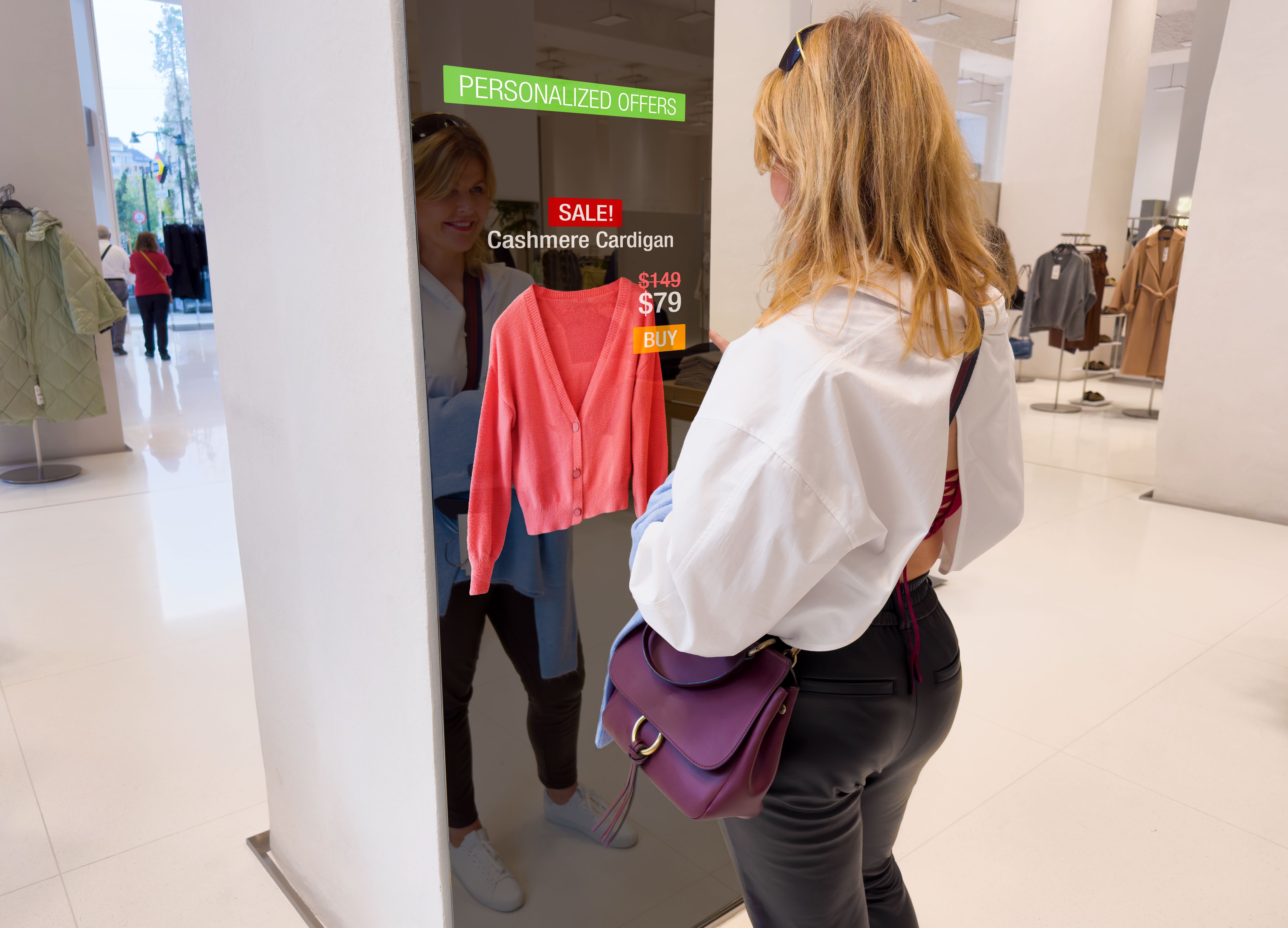
One of the most significant impacts of AI in retail is the ability to deliver personalized customer experiences. By analyzing consumer data, retailers can now tailor product recommendations, promotions, and marketing messages to individual preferences. This level of personalization not only boosts customer satisfaction but also increases conversion rates and loyalty.
AI-Driven Insights
AI algorithms empower retailers to gain deep insights into consumer behavior. By mining large datasets, these algorithms can identify patterns and predict future trends, allowing retailers to make informed decisions about inventory management, pricing strategies, and marketing campaigns. This capability enables businesses to be proactive rather than reactive, ultimately improving the bottom line.
Enhanced Inventory Management
Effective inventory management is crucial for any retail operation. AI tools are revolutionizing this aspect by forecasting demand with greater accuracy. Machine learning models can analyze historical sales data, seasonal trends, and external factors to optimize stock levels. This minimizes overstocking and understocking issues, ensuring a better balance between supply and demand.

Real-Time Data Analytics
With the integration of AI, retailers can now access real-time data analytics. This capability allows businesses to monitor sales patterns as they happen and adjust strategies promptly. Real-time analysis can be particularly beneficial during peak shopping periods or unexpected market changes, providing a competitive edge in fast-paced environments.
AI-Powered Customer Service
Customer service is another area where AI is making a significant impact. Chatbots and virtual assistants powered by AI are increasingly common in retail, providing 24/7 support and handling routine queries efficiently. These tools free up human employees to focus on more complex customer issues, enhancing overall service quality.

Improved Fraud Detection
As online shopping continues to grow, so does the risk of fraud. AI technologies are helping retailers combat this challenge by detecting fraudulent activities more effectively. Machine learning algorithms can analyze transaction data and identify unusual patterns that may indicate fraudulent behavior, allowing retailers to respond swiftly and protect their customers.
Conclusion
The integration of data and AI in retail is no longer a futuristic concept but a present-day reality that is reshaping the industry. From personalized customer experiences to enhanced inventory management and improved fraud detection, these technologies offer numerous benefits for retailers willing to embrace them. Staying informed about these trends will be crucial for businesses looking to thrive in the competitive retail landscape.