The Role of AI in Enhancing Supply Chain Resilience


Understanding Supply Chain Resilience
Supply chain resilience refers to the ability of a supply chain to anticipate, prepare for, and respond to various disruptions. These disruptions can arise from natural disasters, geopolitical tensions, or unexpected market changes. In recent years, the importance of building resilient supply chains has become more evident, with businesses looking for innovative ways to adapt and thrive amidst challenges.
The Growing Impact of AI
Artificial Intelligence (AI) is increasingly being recognized as a pivotal tool in strengthening supply chain resilience. By leveraging AI, businesses can enhance their decision-making processes, improve efficiency, and mitigate risks. AI technologies, such as machine learning and predictive analytics, allow companies to gain deeper insights into their supply chain operations.
Predictive Analytics for Proactive Management
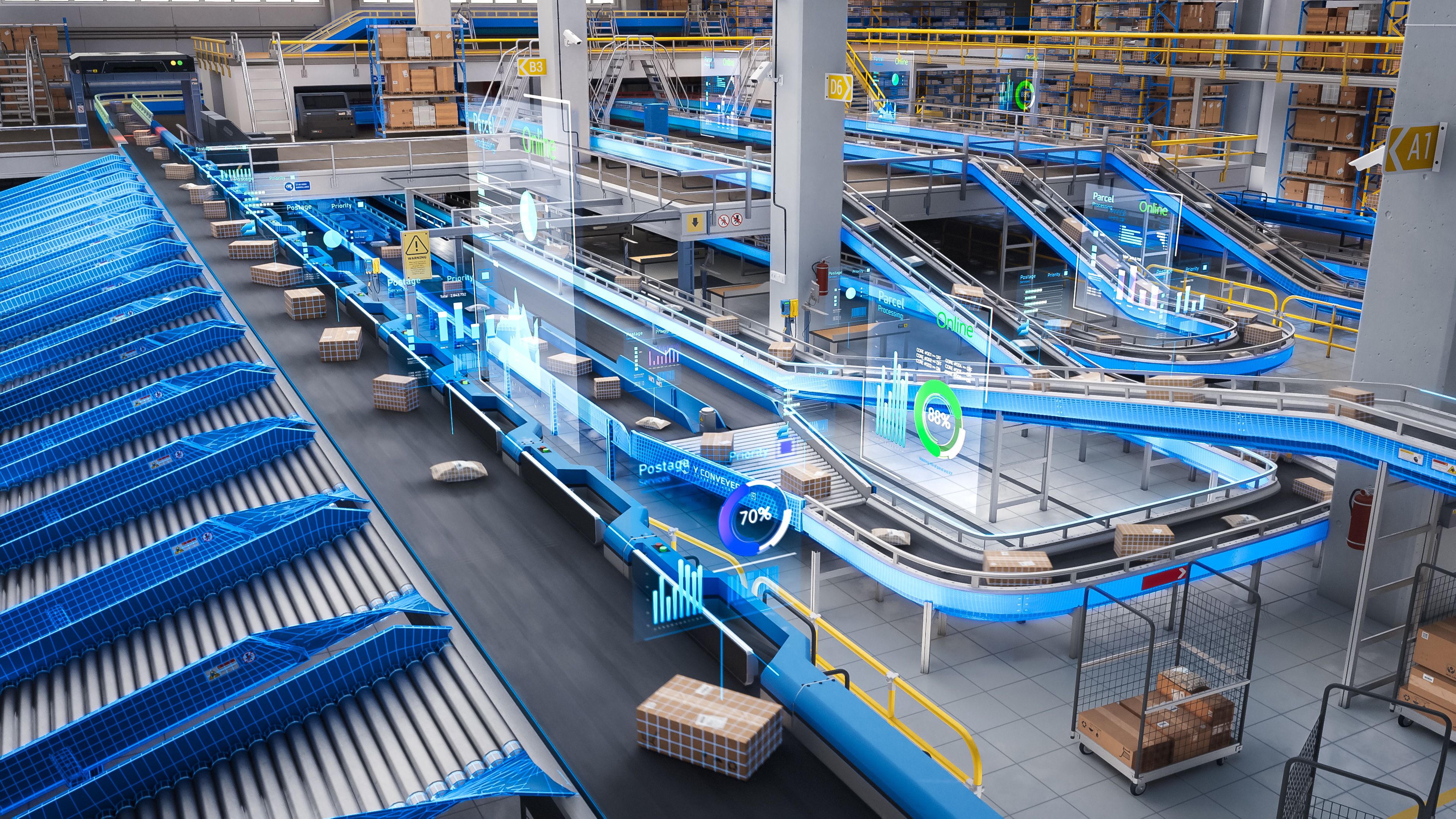
One of the primary benefits of AI in supply chains is its ability to provide predictive analytics. By analyzing large volumes of data, AI systems can predict potential supply chain disruptions before they occur. This proactive approach enables companies to take corrective actions in advance, minimizing the impact of disruptions and ensuring a steady flow of goods and services.
AI-powered predictive analytics can identify patterns and trends that may not be immediately visible to human analysts. This capability allows businesses to make informed decisions regarding inventory management, supplier selection, and logistics planning.
Enhancing Inventory Management
Effective inventory management is crucial for maintaining supply chain resilience. AI can optimize inventory levels by predicting demand fluctuations and ensuring that the right amount of stock is available at the right time. This reduces the risk of overstocking or stockouts, which can be costly for businesses.

Moreover, AI-powered inventory management systems can automate reordering processes, reducing the reliance on manual oversight and minimizing human error. This leads to more efficient operations and helps companies stay competitive in an ever-changing market.
Improving Supplier Collaboration
AI also plays a significant role in enhancing collaboration with suppliers. By providing real-time data and insights, AI helps build stronger relationships between businesses and their suppliers. Transparent communication facilitated by AI tools ensures that all parties are aware of potential issues and can work together to resolve them effectively.
Furthermore, AI can assist in evaluating supplier performance by analyzing historical data and identifying areas for improvement. This ensures that businesses can partner with reliable suppliers who align with their resilience goals.
The Future of AI in Supply Chains
As AI technologies continue to evolve, their role in enhancing supply chain resilience will only grow. Businesses that invest in AI-driven solutions today are likely to reap significant benefits in the future. These technologies not only strengthen supply chains but also provide a competitive edge by enabling companies to respond swiftly and effectively to unforeseen challenges.
In conclusion, AI is proving to be an invaluable asset in building resilient supply chains. By leveraging its capabilities in predictive analytics, inventory management, and supplier collaboration, businesses can navigate the complexities of the modern global market with greater confidence and agility.