Optimizing Supply Chain Resilience with AI Demand Forecasting


The Role of AI in Supply Chain Resilience
In today's rapidly changing market landscape, supply chain resilience is more critical than ever. Disruptions can happen unexpectedly, whether due to natural disasters, geopolitical tensions, or sudden demand shifts. Here, AI-powered demand forecasting emerges as a game-changer, providing businesses with the tools they need to anticipate and adapt to these changes effectively.
AI demand forecasting uses powerful algorithms and machine learning to analyze historical data, identify patterns, and predict future demand with remarkable accuracy. This capability helps businesses minimize risks and ensures that supply chains remain robust even in unpredictable conditions.

Understanding AI Demand Forecasting
AI demand forecasting involves using advanced technologies to process and analyze vast amounts of data. Unlike traditional forecasting methods, which rely on historical sales data alone, AI considers multiple variables, such as market trends, economic indicators, and even social media sentiment. This comprehensive approach allows for more precise and timely predictions.
By leveraging AI, businesses can dynamically adjust their inventory levels, optimize resource allocation, and improve customer satisfaction. This flexibility is crucial for maintaining a competitive edge in today's fast-paced business environment.
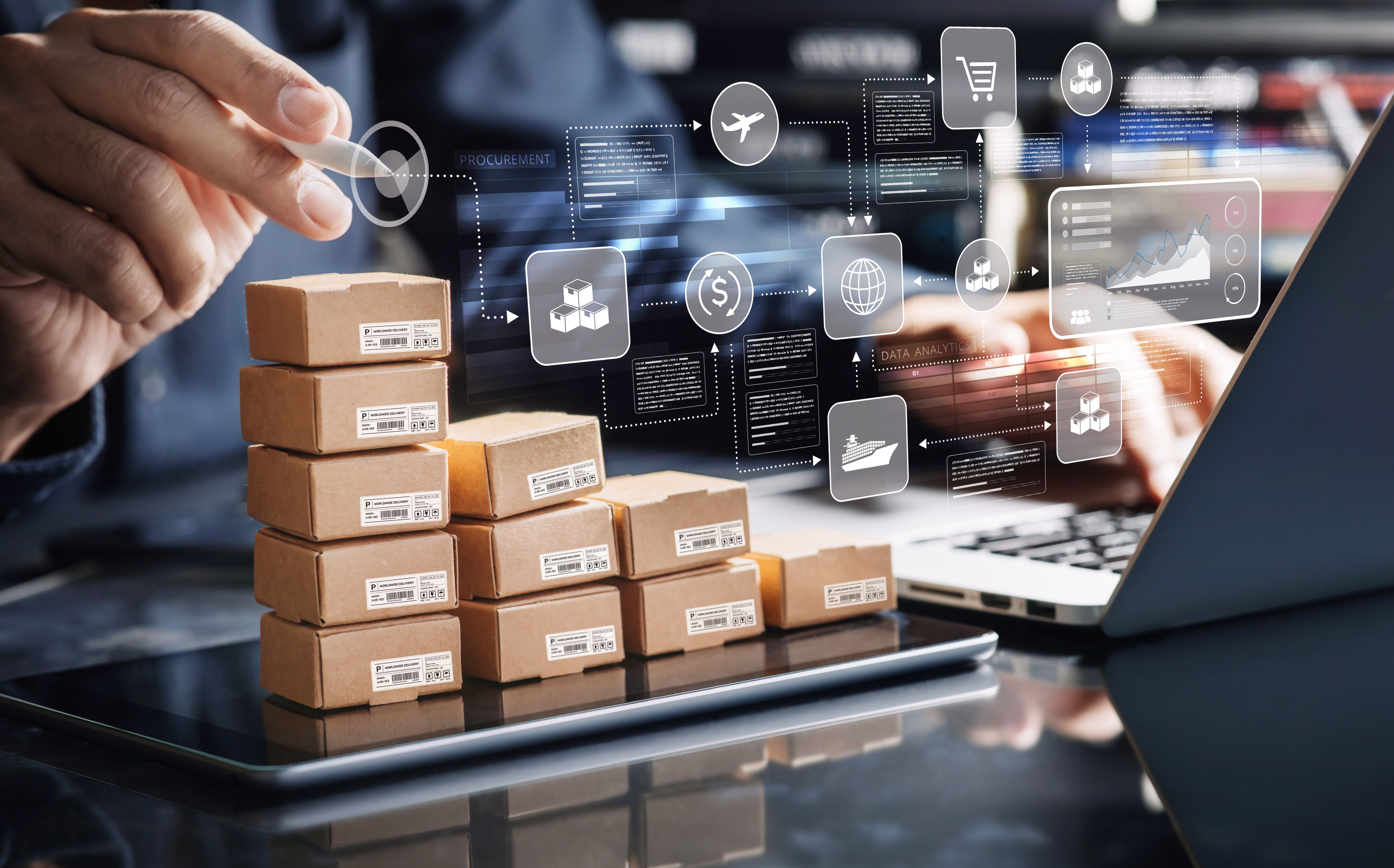
Benefits of AI in Supply Chain Management
Implementing AI-driven demand forecasting offers several key benefits:
- Enhanced Accuracy: AI models continuously learn and adapt, providing more accurate forecasts over time.
- Cost Efficiency: By optimizing inventory levels, businesses can reduce holding costs and minimize waste.
- Improved Agility: Businesses can respond swiftly to market changes, reducing the impact of disruptions.
These benefits collectively contribute to a more resilient supply chain, capable of withstanding various challenges and ensuring smooth operations.

Real-World Applications of AI Forecasting
Several industries have successfully integrated AI demand forecasting into their supply chain strategies. For instance, retailers use it to align their stock levels with consumer demand, reducing overstock and stockouts. Similarly, manufacturers apply AI to streamline production schedules and optimize resource use.
In the logistics sector, AI forecasting helps in route optimization and capacity planning, ensuring timely deliveries while minimizing costs. These applications demonstrate the versatility and effectiveness of AI in enhancing supply chain resilience.
Challenges and Considerations
Despite its advantages, implementing AI demand forecasting comes with challenges. Data quality is paramount; inaccurate or incomplete data can lead to faulty predictions. Additionally, integrating AI systems with existing supply chain processes requires careful planning and change management.
Companies should also consider the ethical implications of AI, ensuring transparency and accountability in their forecasting processes. By addressing these challenges, businesses can fully harness the potential of AI to build a more resilient supply chain.

Looking to the Future
As AI technology continues to evolve, its role in supply chain management will only grow. Future advancements may include even more sophisticated algorithms, real-time data processing, and enhanced automation capabilities. These developments promise to further strengthen supply chain resilience and drive innovation.
Businesses that invest in AI demand forecasting today are positioning themselves for long-term success, equipped to navigate the complexities of the modern market landscape with confidence and agility.