Mastering Supply Chain Demand Forecasting for Retail Success


Understanding the Basics of Demand Forecasting
In the retail industry, demand forecasting is a crucial component of supply chain management. It involves predicting customer demand to ensure that the right amount of product is available at the right time. Accurate forecasts help in minimizing inventory costs, reducing waste, and enhancing customer satisfaction.
By using historical sales data, market trends, and statistical tools, retailers can create models to predict future demand. This process allows businesses to make informed decisions, aligning supply with expected demand effectively.

Key Strategies for Effective Forecasting
There are several strategies retailers can use to improve demand forecasting accuracy. One popular method is using a combination of qualitative and quantitative analysis. While quantitative methods rely on statistical data, qualitative analysis considers market insights, consumer behavior, and expert opinions.
Another strategy is the integration of advanced technologies like artificial intelligence and machine learning. These technologies can process vast amounts of data, identifying patterns and trends that humans might overlook.
Collaborative Planning, Forecasting, and Replenishment (CPFR)
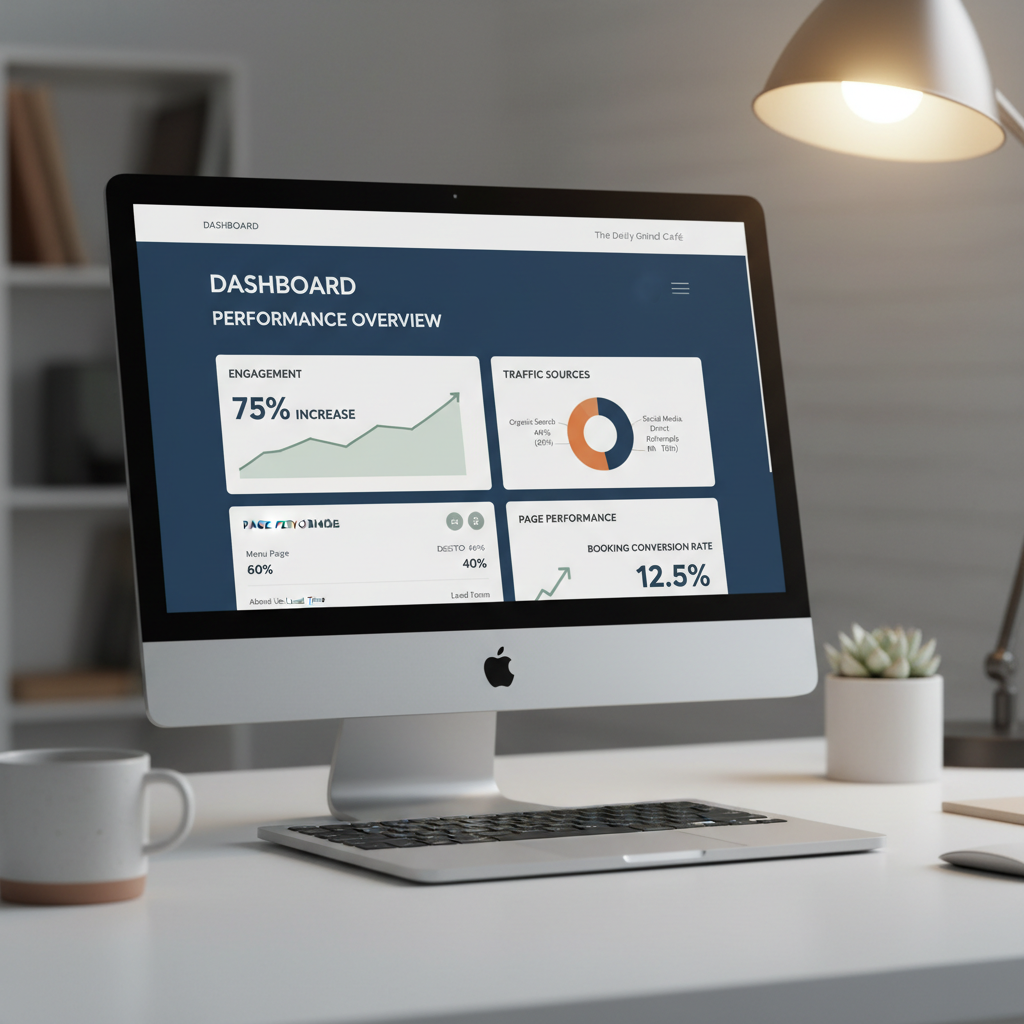
CPFR is a practice that involves collaboration between retailers and suppliers to improve supply chain efficiency. By sharing data and insights, both parties can align their strategies, reducing forecasting errors and optimizing inventory levels.
- Improved communication between partners.
- Enhanced visibility into customer demand.
- Reduced inventory costs.
Challenges in Demand Forecasting
Despite the benefits, demand forecasting is not without challenges. One major issue is dealing with unpredictable factors like economic shifts, consumer trends, and global events. These factors can significantly impact demand, making it difficult to create accurate forecasts.
Additionally, data quality and availability can pose significant hurdles. Inaccurate or incomplete data can lead to poor forecasting results, affecting the entire supply chain.

Continuous Improvement and Adaptation
To overcome these challenges, businesses must focus on continuous improvement and adaptation. This involves regularly reviewing and updating forecasting models, incorporating new data, and using feedback to refine processes.
Retailers should also invest in training and development to ensure their teams are equipped with the necessary skills and knowledge to handle evolving market conditions.
The Role of Technology in Modern Forecasting
Technology plays a vital role in modern demand forecasting. Advanced software solutions offer real-time analytics, automated reporting, and predictive modeling, enabling businesses to make data-driven decisions quickly and effectively.
Moreover, cloud-based platforms allow for seamless data sharing and collaboration, ensuring that all stakeholders have access to the latest information.
Conclusion
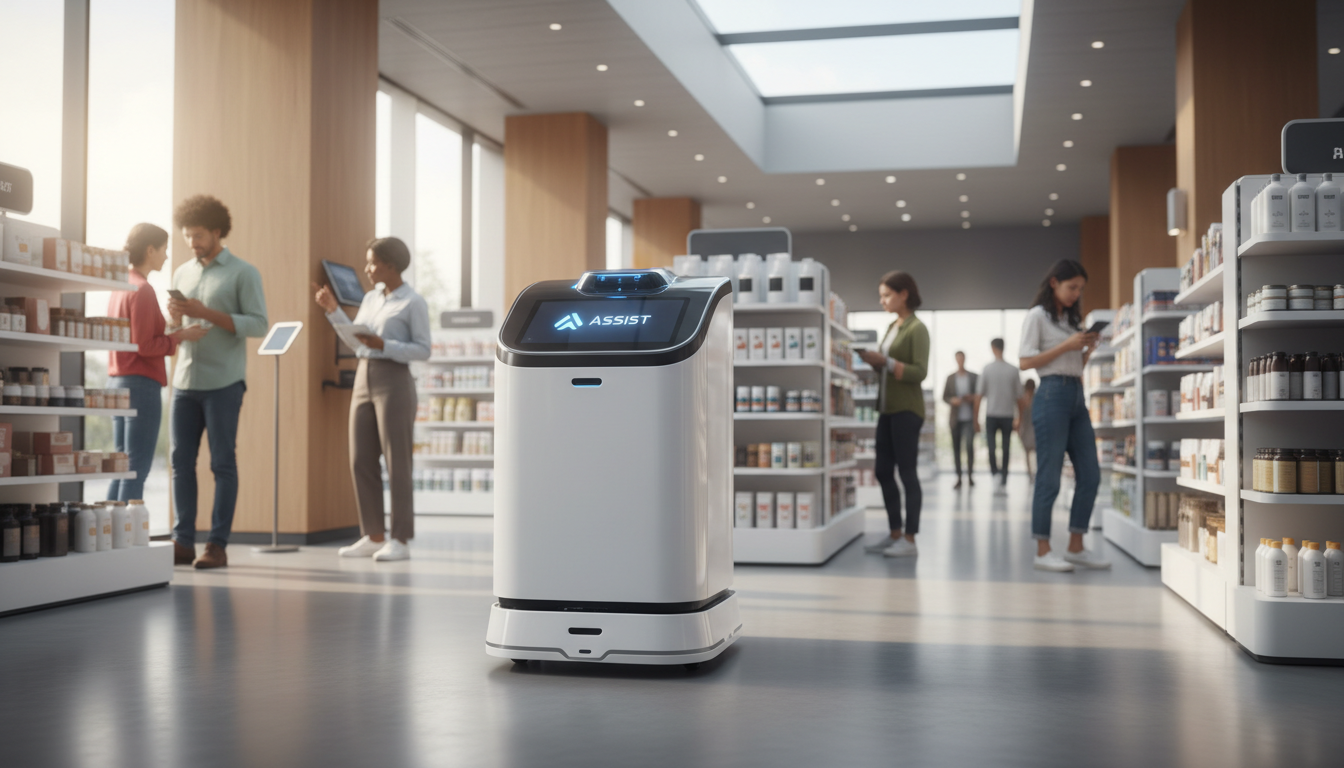
Mastering supply chain demand forecasting is essential for retail success. By understanding the basics, implementing effective strategies, and leveraging technology, retailers can enhance their forecasting accuracy, optimize inventory, and ultimately improve customer satisfaction.
In a rapidly changing market, those who can adapt and innovate will be best positioned to thrive. Embracing these practices will ensure that businesses remain competitive and responsive to consumer needs.