Innovative AI Use Cases in Retail: Staying Ahead of the Competition


Revolutionizing Customer Experience with AI
In the fast-paced world of retail, staying ahead of the competition is crucial. One of the most effective ways to achieve this is by leveraging innovative AI technologies. AI is transforming the retail industry, offering new ways to enhance customer experience, streamline operations, and improve decision-making processes.
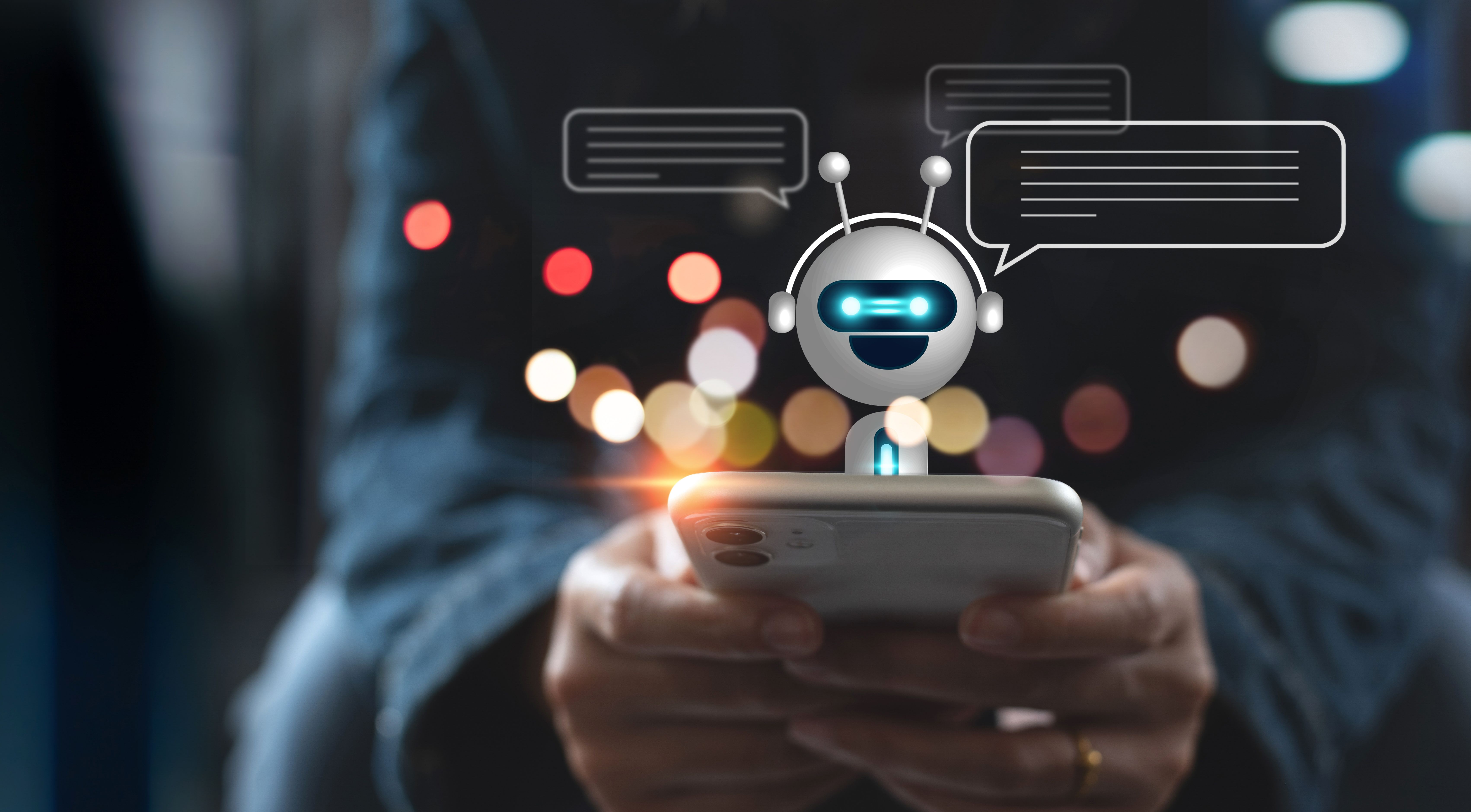
AI-driven chatbots are a prime example of this transformation. These virtual assistants are available 24/7, providing instant support to customers and answering queries in real-time. By employing natural language processing, these chatbots can understand and respond to customer inquiries more effectively than traditional methods, ensuring a seamless shopping experience.
Personalized Shopping Experiences
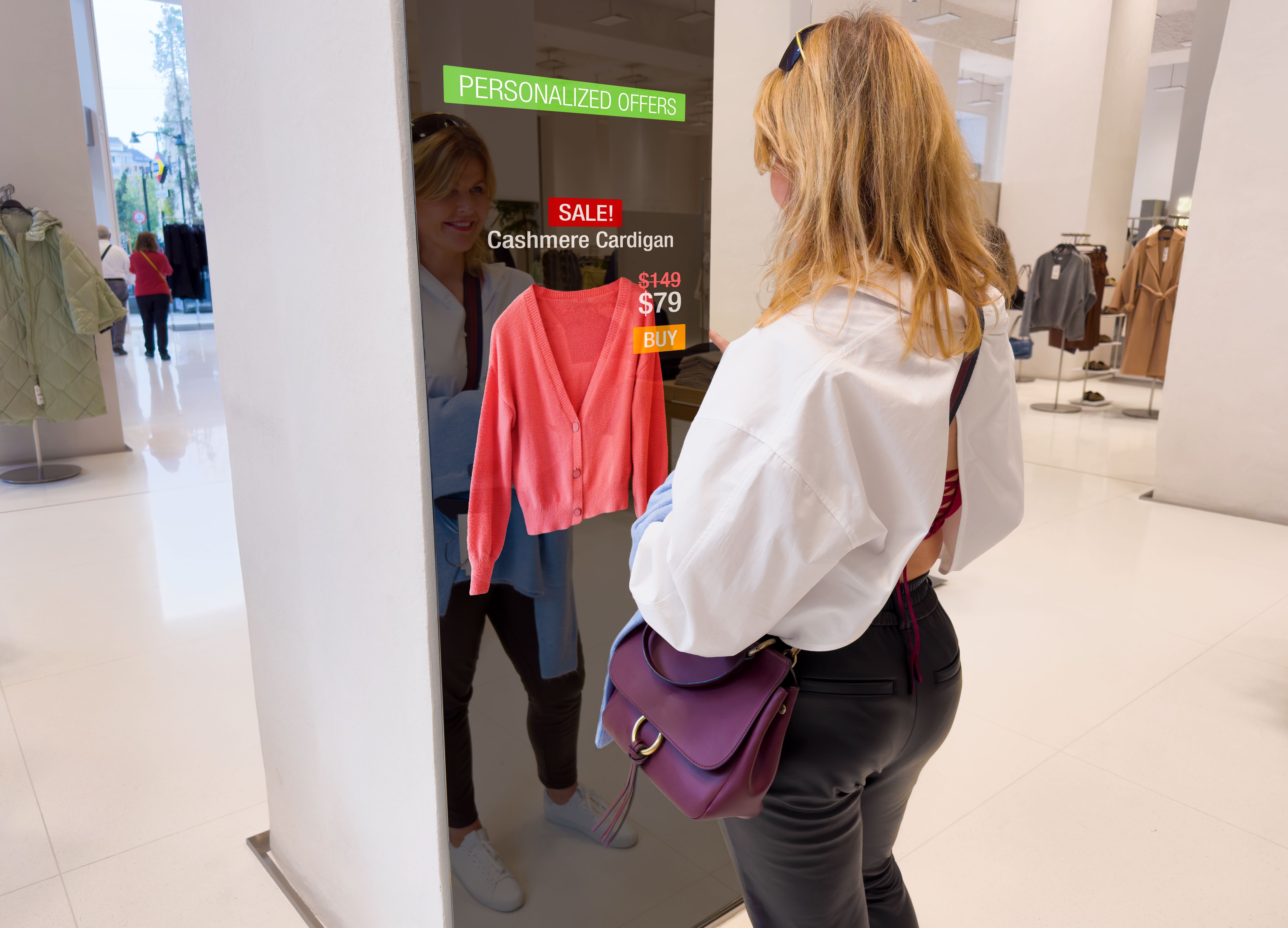
Personalization is key in today’s retail environment, and AI is making it easier than ever to deliver tailored shopping experiences. By analyzing customer data and behavior, AI algorithms can recommend products that are most likely to appeal to individual shoppers. This not only increases customer satisfaction but also enhances sales opportunities.
Retailers are now able to create curated shopping journeys that engage customers on a personal level. AI systems track user preferences and purchase history to offer customized promotions and discounts, which significantly boosts customer loyalty.
Optimizing Inventory Management
One of the most critical aspects of retail is inventory management. AI can play a pivotal role in optimizing this process by predicting demand more accurately. By analyzing historical sales data and market trends, AI systems can forecast which products will be in demand and when.
This predictive capability helps retailers maintain optimal stock levels, reducing both overstock and stockouts. As a result, businesses can minimize waste, decrease storage costs, and ensure that popular products are always available for customers.
Enhancing In-Store Experiences
AI is not only transforming online retail but also revolutionizing in-store experiences. Through technologies like augmented reality (AR) and virtual reality (VR), customers can explore products in a more interactive way. For instance, virtual fitting rooms allow customers to try on clothes without physically changing, enhancing convenience and engagement.

Furthermore, AI-powered kiosks in stores offer personalized recommendations and promotions based on a customer’s past interactions. This integration of digital tools into physical spaces creates a seamless omnichannel experience that bridges the gap between online and offline shopping.
Streamlining Supply Chain Operations
AI’s impact extends beyond customer-facing applications to the back-end operations of retail. Advanced machine learning models can optimize supply chain processes by predicting potential disruptions and suggesting alternative routes or suppliers. This ensures that products are delivered on time, enhancing overall efficiency.
Retailers using AI for supply chain management can respond swiftly to changes in demand or supply conditions, maintaining a competitive edge in the market. This agility is essential for meeting customer expectations and sustaining business growth.

The Future of AI in Retail
The innovative use cases of AI in retail discussed here are just the beginning. As technology continues to evolve, so too will the opportunities for retailers to harness these advancements. From improving customer service to optimizing operations, AI offers endless possibilities for staying ahead of the competition.
Embracing AI not only addresses current challenges but also prepares businesses for future disruptions. Retailers who invest in these technologies today will be well-positioned to lead the industry tomorrow. The key is to remain adaptable and open to change, ensuring long-term success in an ever-evolving retail landscape.