How Supply Chain Demand Forecasting is Revolutionizing Retail


Understanding Supply Chain Demand Forecasting
Supply chain demand forecasting is a critical process that enables retailers to predict future consumer demand using historical data, market trends, and advanced analytics. By accurately forecasting demand, retailers can optimize their inventory levels, reduce costs, and improve customer satisfaction. The integration of technology in this process is revolutionizing how retailers operate in today's competitive market.

The Role of Technology in Forecasting
Technological advancements, such as artificial intelligence and machine learning, have significantly enhanced the accuracy of demand forecasts. These technologies analyze vast amounts of data more efficiently than traditional methods, identifying patterns and trends that might be missed by human analysts. As a result, retailers can make more informed decisions and adapt to changing market conditions with greater agility.
Benefits of Accurate Demand Forecasting
Accurate demand forecasting offers several benefits for retailers. Firstly, it helps in inventory optimization, ensuring that products are available when and where they are needed. This minimizes stockouts and overstock situations, leading to cost savings. Secondly, it improves customer satisfaction by ensuring that popular items are always in stock, enhancing the shopping experience.
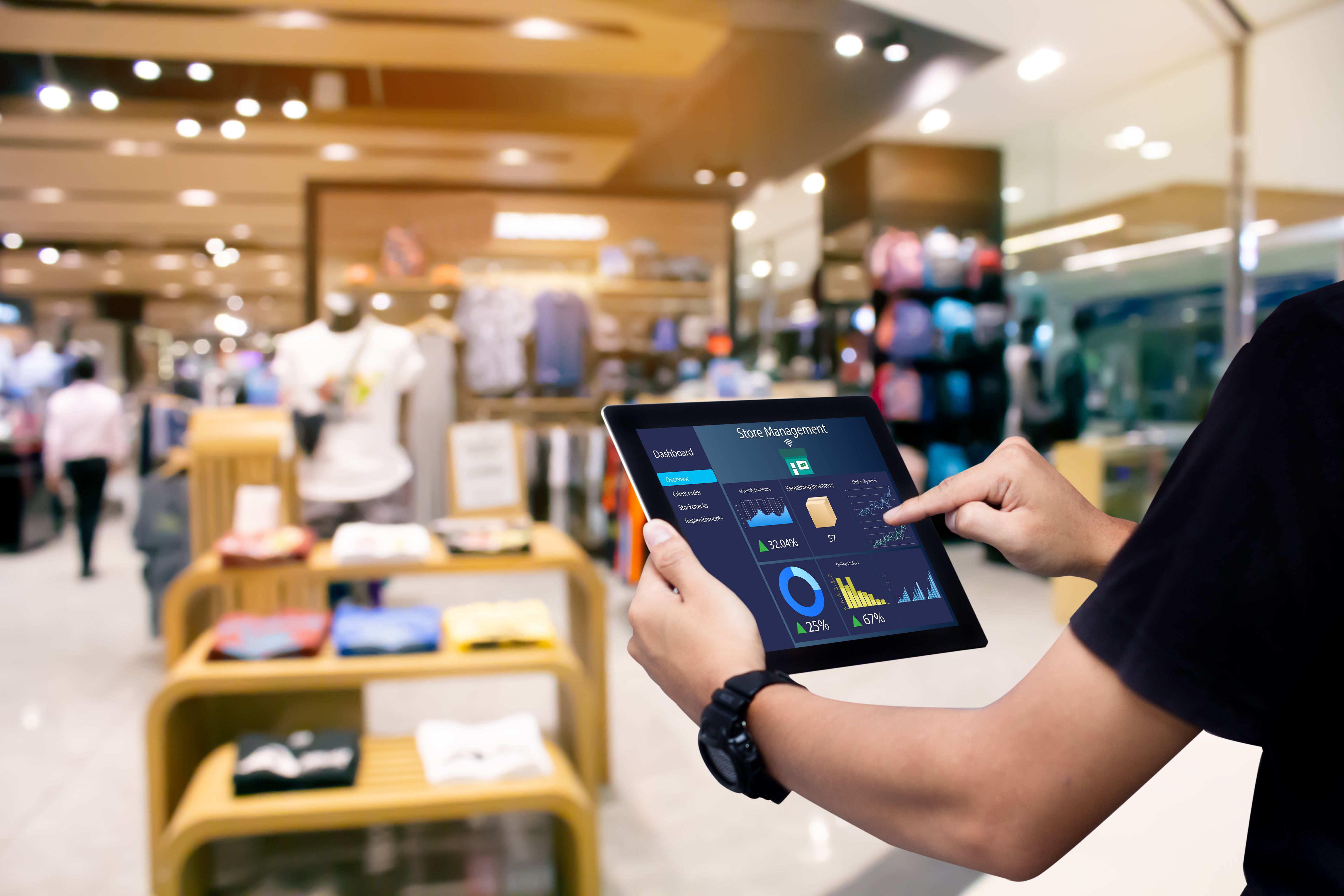
Additionally, effective demand forecasting supports better strategic planning. Retailers can plan promotions, sales, and other marketing activities based on anticipated demand, maximizing revenue potential. This strategic foresight is invaluable in navigating seasonal fluctuations and unexpected market shifts.
Challenges in Demand Forecasting
Despite its advantages, demand forecasting is not without challenges. Retailers must contend with factors such as rapidly changing consumer preferences, economic fluctuations, and supply chain disruptions. To overcome these challenges, businesses must invest in robust forecasting tools and continuously refine their models to incorporate new data and insights.
Case Studies of Successful Implementation
Several leading retailers have successfully implemented demand forecasting to revolutionize their operations. For example, a well-known global retailer utilized AI-driven forecasting to reduce inventory costs by 20% while simultaneously increasing sales by 15%. Another retailer used predictive analytics to optimize their supply chain, resulting in a significant reduction in lead times and improved customer satisfaction scores.
These case studies highlight the transformative impact of demand forecasting on retail operations, demonstrating its potential to drive growth and efficiency.
The Future of Demand Forecasting in Retail
As technology continues to evolve, the future of demand forecasting in retail looks promising. Innovations such as real-time data analytics, Internet of Things (IoT) integrations, and advanced machine learning algorithms will further enhance forecasting capabilities. Retailers that embrace these advancements will be better positioned to adapt to market changes and maintain a competitive edge.

In conclusion, supply chain demand forecasting is revolutionizing retail by enabling more precise inventory management, improving customer satisfaction, and enhancing strategic planning. As technology continues to advance, its role in shaping the future of retail will only grow more significant.