How Emerging AI Technologies are Transforming Manufacturing Processes


The Rise of AI in Manufacturing
The manufacturing industry is experiencing a revolutionary transformation with the integration of emerging AI technologies. From automating routine tasks to enhancing precision in production, AI is reshaping how manufacturers operate. This shift not only boosts efficiency but also provides a competitive edge in the global market.
Automating Routine Tasks
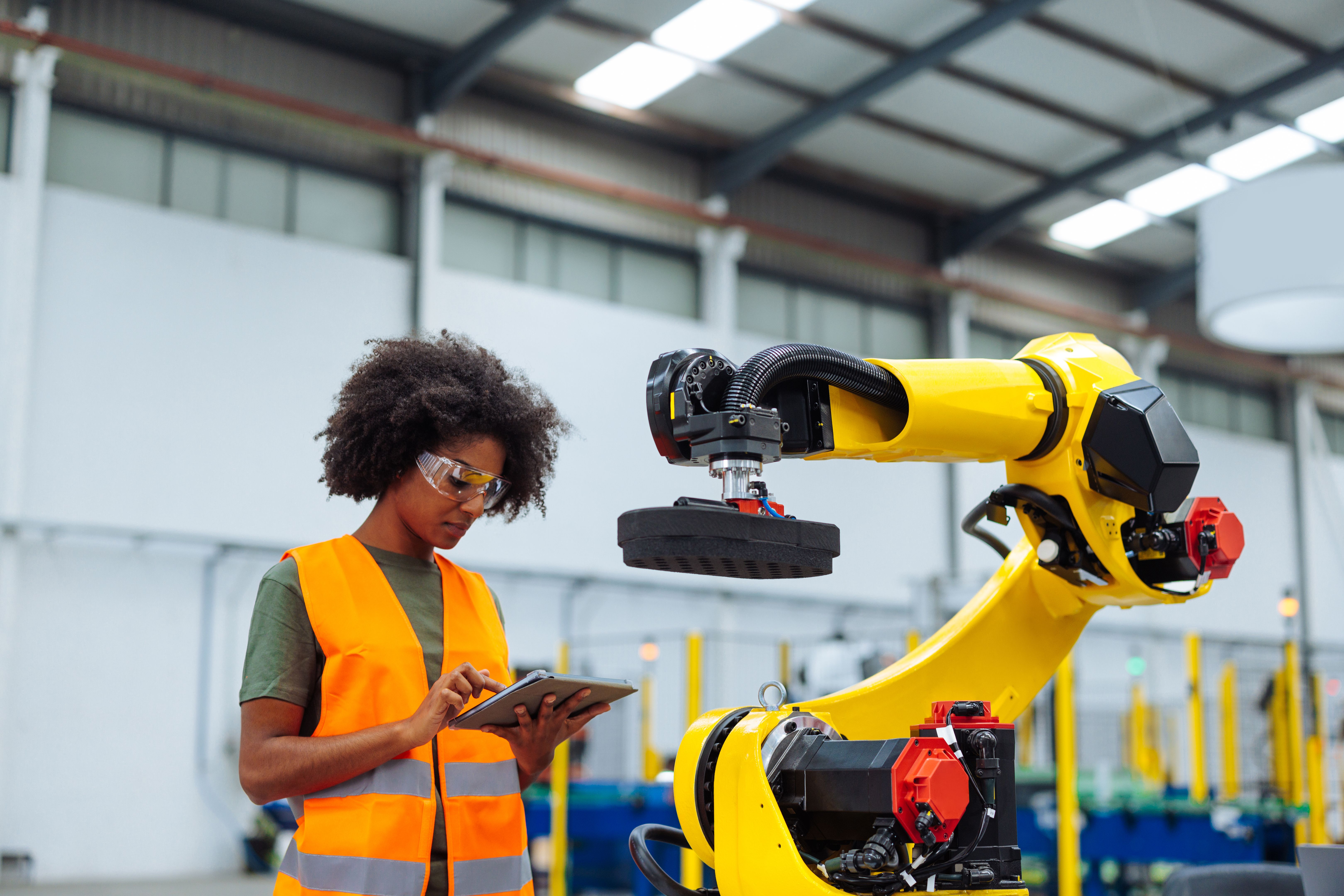
One of the most significant impacts of AI in manufacturing is the automation of routine and repetitive tasks. Robots and AI-driven machines can perform these tasks with higher accuracy and speed, reducing human error and freeing up human workers for more strategic roles. This shift is crucial for improving productivity and reducing operational costs.
For instance, AI-powered robots can handle assembly line tasks, quality inspections, and packaging with minimal supervision. Their ability to work tirelessly without breaks ensures that production processes are continuous and efficient.
Enhancing Precision and Quality
AI technologies are instrumental in enhancing the precision and quality of manufactured products. Machine learning algorithms analyze vast amounts of data to identify patterns and predict potential defects. This predictive maintenance helps in addressing issues before they lead to significant production downtimes.

Moreover, AI-driven systems can adapt to changes in production requirements, ensuring that the quality of the output remains consistent. This adaptability is essential for industries that demand high precision, such as aerospace and pharmaceuticals.
Optimizing Supply Chain Management
AI is also transforming supply chain management by providing real-time insights and forecasts. With AI, manufacturers can optimize inventory levels, reduce waste, and ensure timely delivery of raw materials. This proactive approach minimizes delays and aligns production schedules with market demand.
Additionally, AI can help in identifying and mitigating risks within the supply chain. By analyzing data trends, manufacturers can anticipate disruptions and develop contingency plans to maintain smooth operations.
Improving Worker Safety
AI technologies contribute significantly to improving worker safety in manufacturing settings. Advanced sensors and AI algorithms monitor equipment and environmental conditions, alerting workers to potential hazards. This real-time monitoring reduces the risk of accidents and ensures a safer working environment.
Furthermore, AI-powered wearable devices can track workers' health statistics, providing insights into their well-being and alerting management to any potential health issues.
Future Prospects and Challenges
As AI technologies continue to advance, their role in manufacturing will only grow. Future prospects include the development of fully autonomous factories and more sophisticated decision-making systems. However, the adoption of AI also presents challenges, such as the need for skilled workers to manage and maintain these advanced systems.

Manufacturers must invest in training and upskilling their workforce to leverage AI effectively. Balancing technology with human expertise will be key to maximizing the benefits of AI in manufacturing.