Exploring the Future of Data Analytics in the Consumer Goods Industry


Introduction to Data Analytics in Consumer Goods
The consumer goods industry is undergoing a significant transformation driven by the rapid evolution of data analytics. Businesses are leveraging this technology to gain deeper insights into consumer behavior, optimize supply chains, and enhance product development. As we move into the future, the role of data analytics is only set to grow, offering unparalleled opportunities for innovation and efficiency.
The Role of Big Data
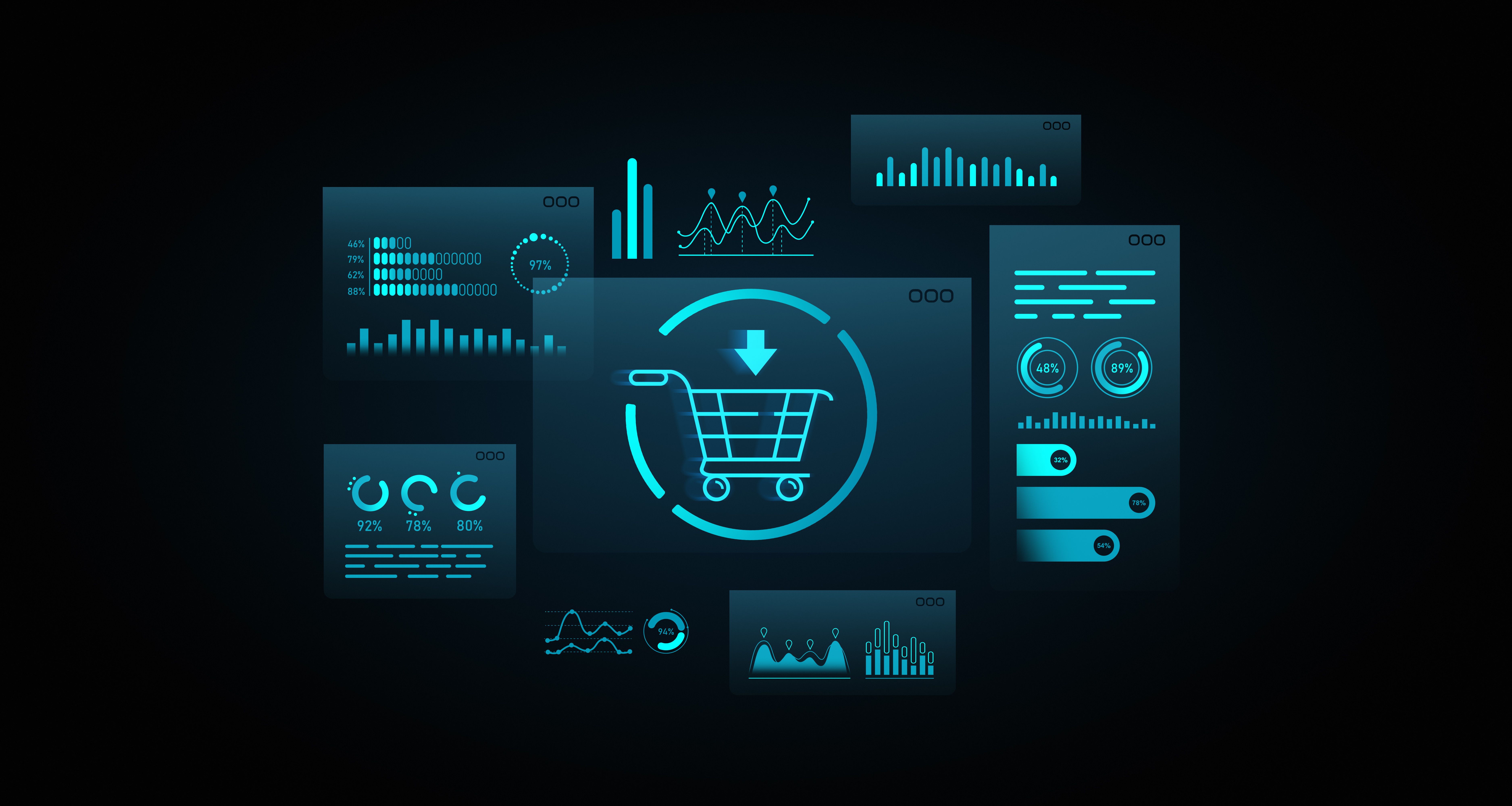
Big Data is a cornerstone of modern data analytics, providing the raw material for insights and decision-making. Consumer goods companies are collecting vast amounts of data from various sources, including social media, online transactions, and IoT devices. This data is critical for understanding market trends and consumer preferences, enabling businesses to tailor their products and marketing strategies more effectively.
Harnessing Predictive Analytics
Predictive analytics is becoming increasingly important in the consumer goods sector. By analyzing historical data, companies can forecast future trends and consumer demands. This capability allows businesses to stay ahead of the competition by anticipating market shifts and adjusting their strategies accordingly.

Personalization through Data
Personalization is a major trend in the consumer goods industry, with data analytics playing a key role in delivering tailored experiences. By analyzing customer data, businesses can create personalized marketing campaigns, product recommendations, and even packaging designs. This approach not only enhances customer satisfaction but also drives brand loyalty.
Improving Supply Chain Efficiency
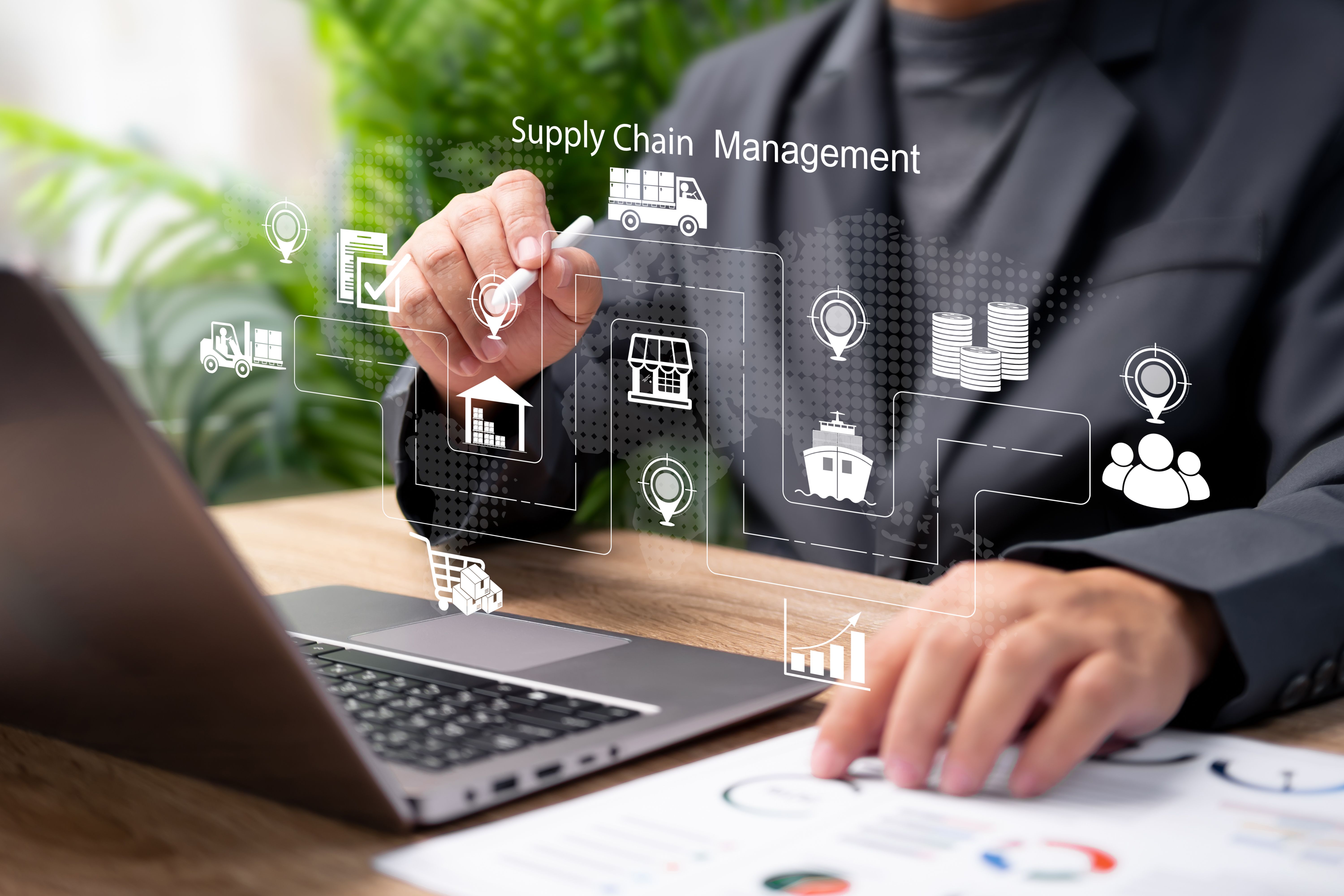
Data analytics is also transforming supply chain management. By analyzing data from production, distribution, and sales, companies can optimize their supply chains to reduce costs and improve efficiency. Real-time data analysis helps in identifying bottlenecks and predicting potential disruptions, ensuring smooth operations.
The Impact of Artificial Intelligence
Artificial Intelligence (AI) is revolutionizing the way data analytics is applied in the consumer goods industry. AI algorithms can process and analyze data at unprecedented speeds, uncovering patterns and insights that were previously inaccessible. This technology is enhancing everything from product development to customer service, making businesses more agile and responsive.
Challenges and Considerations
Despite the benefits, there are challenges associated with implementing data analytics in the consumer goods industry. Data privacy concerns, the need for skilled personnel, and the integration of new technologies into existing systems are significant hurdles. Companies must address these issues to fully leverage the potential of data analytics.
Conclusion: Embracing the Future
The future of data analytics in the consumer goods industry is promising, with new technologies and methodologies continually emerging. Companies that embrace these advancements will be better positioned to meet consumer demands, enhance operational efficiency, and maintain a competitive edge. As data analytics continues to evolve, the opportunities for innovation in the consumer goods sector will be limitless.