Debunking Myths: AI and Supply Chain Resilience


Understanding AI in the Supply Chain
Artificial Intelligence (AI) has become a transformative force in many industries, and the supply chain is no exception. Despite its growing adoption, several myths persist about AI's role and effectiveness in enhancing supply chain resilience. By debunking these myths, businesses can better understand AI's true potential and limitations.

Myth 1: AI is Too Complex for Supply Chains
One common misconception is that AI is too complex and sophisticated for use in supply chains. While AI technologies can be intricate, modern solutions are designed to integrate smoothly with existing systems. Many AI platforms offer user-friendly interfaces and customizable features, making them accessible for businesses of all sizes. By leveraging AI, companies can streamline operations, predict demand, and optimize logistics.
Myth 2: AI Will Replace Human Jobs
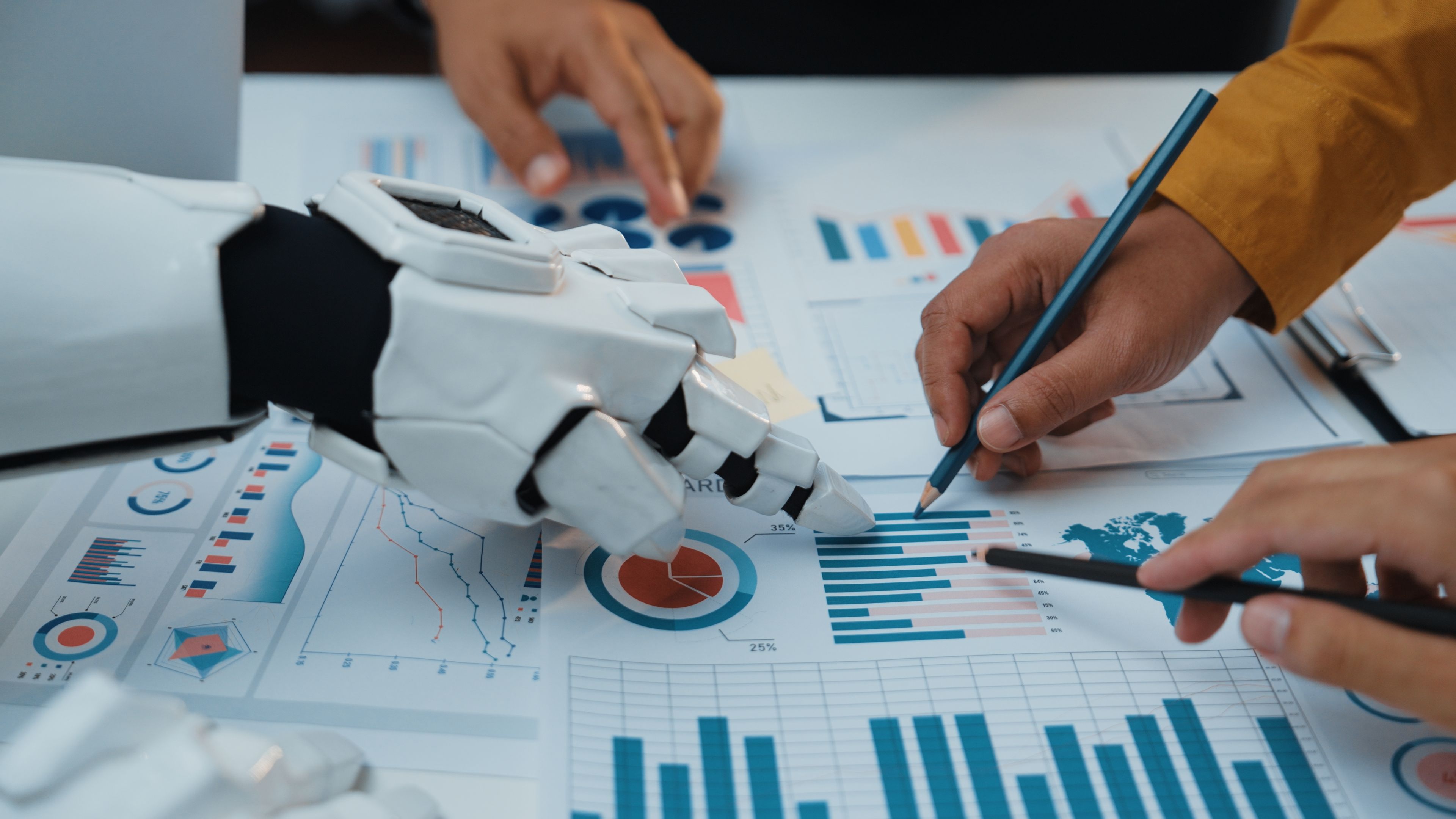
Another prevalent myth is that AI will lead to widespread job loss within the supply chain industry. In reality, AI is more about augmentation than replacement. AI can handle repetitive tasks and data analysis, allowing human workers to focus on strategic decision-making and creative problem-solving. This collaboration between humans and AI can lead to more efficient and resilient supply chains.
AI's Role in Enhancing Supply Chain Resilience
Predictive Analytics for Better Forecasting
AI-driven predictive analytics can significantly enhance supply chain resilience by improving demand forecasting. By analyzing historical data and identifying patterns, AI can predict future demand with greater accuracy. This allows businesses to optimize inventory levels, reduce waste, and improve customer satisfaction.
Real-Time Monitoring and Adaptation
AI systems offer real-time monitoring capabilities that help identify disruptions and inefficiencies quickly. With AI, supply chain managers can receive instant alerts and insights, enabling them to adapt swiftly to unforeseen events. This agility is crucial in maintaining a resilient supply chain, especially in times of crisis.

Overcoming Barriers to AI Adoption
Cost Concerns and ROI
Many businesses hesitate to adopt AI due to perceived high costs and uncertainty about return on investment (ROI). However, the long-term benefits often outweigh the initial investment. AI can lead to cost savings through improved efficiency, reduced errors, and better resource allocation. Companies are encouraged to start small, focusing on areas with the highest potential impact.
Data Quality and Integration
Successful AI implementation relies heavily on quality data and seamless integration with existing systems. Companies should prioritize data accuracy and invest in proper data management practices. Ensuring smooth integration with current supply chain management systems is also crucial for maximizing AI's benefits.
The Future of AI in Supply Chains
As AI technology continues to evolve, its role in supply chain resilience will only grow. By dispelling myths and understanding AI's true potential, businesses can harness its power to build more robust, efficient, and adaptable supply chains. Embracing AI today prepares companies for the challenges and opportunities of tomorrow.