AI Innovations: Transforming Consumer Goods Industries


Introduction to AI in Consumer Goods
Artificial Intelligence (AI) is revolutionizing the way businesses operate, and the consumer goods industry is no exception. From personalized shopping experiences to efficient supply chain management, AI innovations are transforming how companies interact with consumers and deliver products. This transformation not only enhances customer satisfaction but also drives growth and innovation within the industry.
Personalized Shopping Experiences
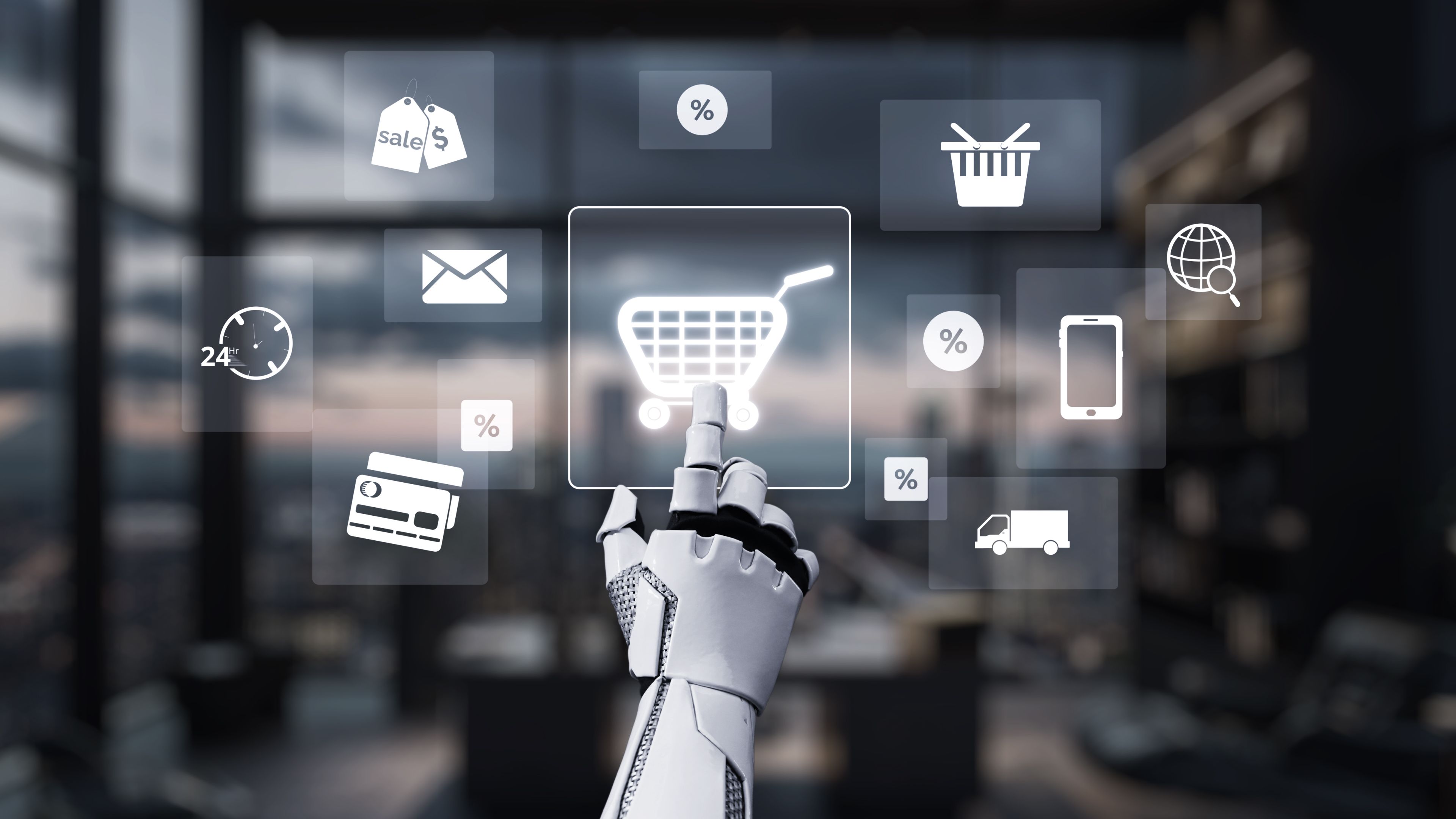
One of the most significant impacts of AI in the consumer goods sector is the ability to offer personalized shopping experiences. By analyzing vast amounts of consumer data, AI algorithms can predict preferences and provide tailored recommendations. This personalization helps businesses engage their customers more effectively, increasing loyalty and driving sales.
For example, AI-powered chatbots provide instant customer service, answering queries and offering product suggestions that align with individual tastes. These tools enhance the shopping experience by making it more interactive and convenient.
Supply Chain Optimization
AI is also playing a crucial role in optimizing supply chains. By utilizing machine learning algorithms, companies can predict demand more accurately, manage inventory efficiently, and reduce waste. This not only improves operational efficiency but also minimizes costs associated with overproduction and stockouts.

Moreover, AI systems can identify patterns and anomalies in supply chain data, enabling businesses to proactively address potential disruptions. This level of insight ensures that products reach consumers on time, maintaining a high level of service quality.
Enhanced Product Development
AI-driven analytics provide valuable insights into consumer behavior and market trends, which are essential for product development. By understanding what customers want, companies can innovate faster and create products that meet current demands. This agility in product development gives businesses a competitive edge.
Additionally, AI tools can simulate how new products will perform in the market, allowing companies to refine their offerings before launch. This reduces the risk of product failure and ensures that consumer needs are met effectively.

Improving Customer Engagement
AI technologies are also enhancing customer engagement through advanced marketing strategies. By analyzing consumer interactions across various channels, AI can determine the best moments to engage with potential buyers. This targeted marketing approach increases the chances of conversion and builds stronger customer relationships.
- Predictive Analytics: Helps anticipate customer needs and tailor marketing efforts accordingly.
- Sentiment Analysis: Provides insights into consumer sentiment, allowing companies to adjust their strategies.
Challenges and Considerations
Despite its numerous benefits, implementing AI in the consumer goods industry comes with challenges. Data privacy concerns, integration issues, and the need for skilled professionals are some hurdles businesses must overcome. It is crucial for companies to address these challenges to fully harness the potential of AI.

Organizations must also consider ethical aspects when deploying AI solutions. Ensuring transparency and fairness in AI algorithms is essential to maintain consumer trust and avoid biases in decision-making processes.
Conclusion
The integration of AI in the consumer goods industry is driving significant advancements in how businesses operate and interact with consumers. From personalized experiences to optimized supply chains, AI innovations are reshaping the landscape of this sector. As technology continues to evolve, companies that embrace these changes will likely see long-term benefits and sustained growth in an increasingly competitive market.