AI-Driven Strategies for Profitable Business Growth in Retail


Harnessing the Power of AI in Retail
In today's fast-paced retail environment, businesses are constantly seeking innovative ways to drive growth and profitability. One of the most effective strategies emerging in recent years is the integration of artificial intelligence (AI) into retail operations. AI-driven strategies are transforming how retailers engage with customers, manage inventory, and optimize their supply chains.
AI technologies offer retailers the tools to analyze vast amounts of data quickly and accurately. This capability not only enhances decision-making but also helps create personalized customer experiences that can significantly boost sales and customer loyalty.

Enhancing Customer Experience with AI
One of the primary ways AI is revolutionizing retail is through personalized customer experiences. By analyzing customer data, AI can predict preferences and tailor recommendations. This personalization extends to offering customized promotions and discounts, which can increase conversion rates and average order values.
Chatbots and virtual assistants powered by AI are also enhancing customer service by providing real-time assistance and support. These tools help resolve customer queries efficiently, improving overall satisfaction and engagement.
Inventory Management and Demand Forecasting
Effective inventory management is crucial for any retailer aiming for profitability. AI-driven algorithms can predict demand patterns with high accuracy, allowing retailers to optimize stock levels and reduce waste. This leads to a more efficient supply chain and ensures that popular products are always available to meet customer demand.
Moreover, AI can automate the replenishment process, ensuring that inventory is ordered just in time. This reduces storage costs and minimizes the risk of overstocking or stockouts, which can negatively impact sales.

Optimizing Pricing Strategies
AI also plays a critical role in dynamic pricing strategies. By continuously analyzing market trends, competitor pricing, and consumer behavior, AI can adjust prices in real-time to maximize revenue. This approach not only helps in staying competitive but also ensures that prices reflect current market conditions.
Retailers can leverage AI to experiment with different pricing models and identify the most effective strategies for various segments of their customer base. This flexibility allows businesses to remain agile and responsive to market changes.
Streamlining Supply Chain Operations
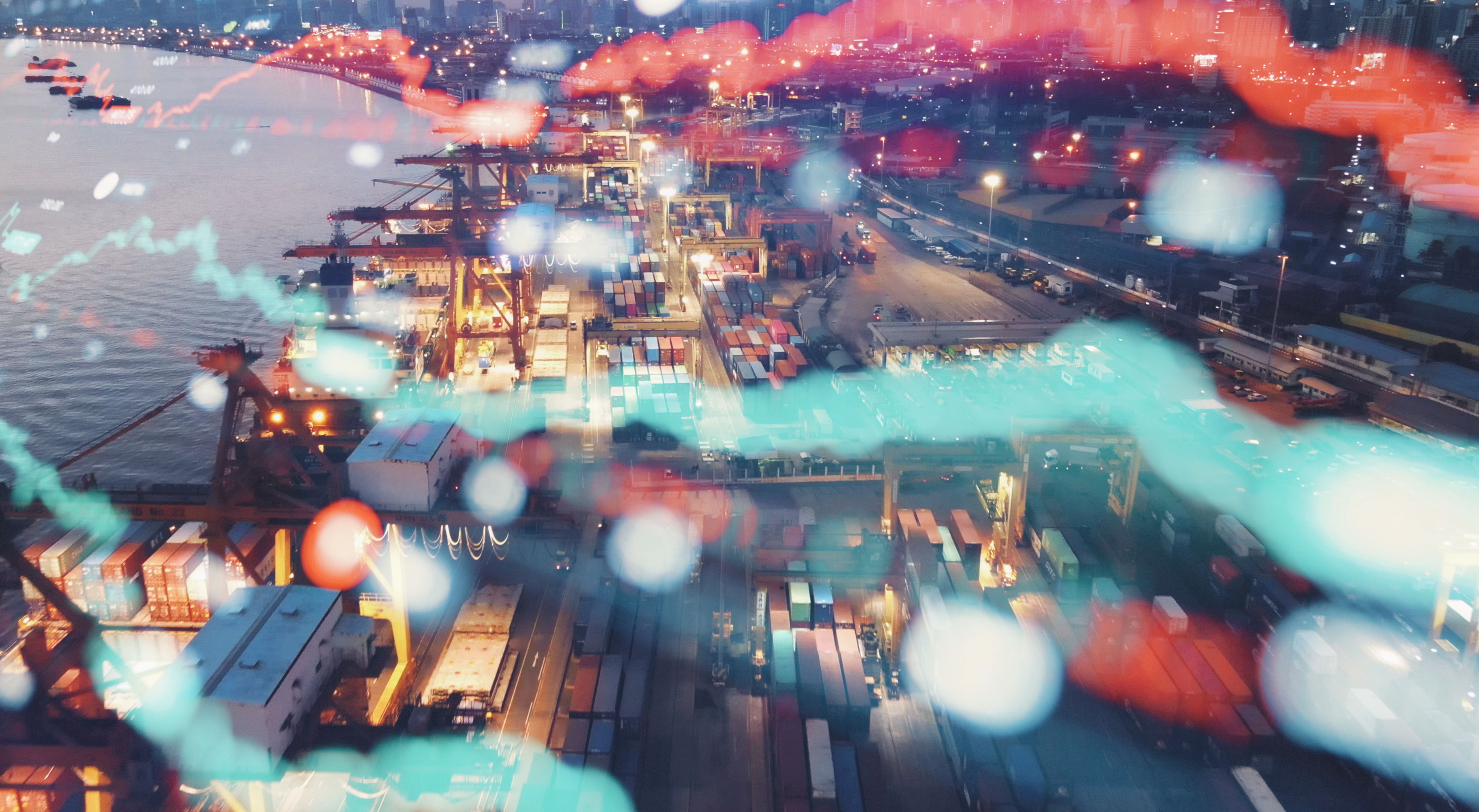
The integration of AI into supply chain operations can lead to significant improvements in efficiency and cost reduction. AI technologies enable retailers to predict potential disruptions, such as delays or supplier issues, and proactively address them before they impact the business.
Additionally, AI can optimize logistics by identifying the most efficient routes and methods for delivering products. This not only speeds up delivery times but also reduces transportation costs, contributing to higher profit margins.
The Future of AI in Retail
As AI technology continues to evolve, its applications in retail will expand further. Future advancements may include more sophisticated predictive analytics, enhanced customer interaction tools, and even greater automation across various retail operations.
Retailers who embrace AI-driven strategies will likely find themselves at a competitive advantage, capable of meeting consumer demands more effectively while optimizing their operational efficiency.
The journey towards AI integration in retail is ongoing, but its potential for driving profitable growth is undeniable. By strategically implementing AI solutions, retailers can not only enhance their business operations but also create exceptional customer experiences that foster long-term loyalty.